When a person goes quiet after an autumn, or a coworker's breathing transforms ragged and shallow, the clock begins to move in a different way. You really feel the weight of every second. The distinction between standing by and actioning in boils down to prep work, and for lots of people that means advancing past the basics. Advanced first aid training is a dedication of time, focus, and in some cases money, however it can put you in a setting to change the trajectory of a crisis. The inquiry is whether you need it currently, or whether a solid first aid and CPR course suffices for your dangers and responsibilities.
I have actually educated alongside institution staff, tradies, lifeguards, workplace supervisors, outdoor guides, and new parents. Their needs seldom look the same. The best path depends on your setting, your convenience with hands-on abilities, and just how usually you plan to utilize them. Let's make sense of the choices, the compromises, and the lived fact behind the marketing blur.
What "advanced" really means
First aid training feeds on a spectrum. On one end sits a short first aid course that covers blood loss control, burns, fractures, allergic reactions, and standard scene safety and security, paired with a cpr course that teaches chest https://garrettmgag004.tearosediner.net/brisbane-first-aid-course-what-to-anticipate-and-how-to-prepare compressions and rescue breaths. On the various other end you find wilderness medication, advanced resuscitation, oxygen treatment, and modules tailored for remote worksites or high-risk settings. Several carriers additionally pack first aid and cpr courses, and issue a first aid certificate upon completion.
The word "progressed" is loose. Some organisations classify an extensive one-day first aid and cpr course as advanced due to the fact that it includes situations or AED drills. Others reserve the term for programs that require you to handle complicated respiratory tract problems, administer oxygen, or coordinate treatment over numerous hours when a rescue is away. If you intend to understand what you are buying, neglect the tag and review the skill checklist:
- Scene management, triage, and interaction under stress Airway monitoring past head-tilt and chin-lift, consisting of positioning for thought spine injuries and suction method where permitted Use of additional oxygen or bag-valve-mask tools when guidelines and your function allow Prolonged care and surveillance for shock, hypothermia, warmth illness, and diabetic person emergencies Complex trauma monitoring such as tourniquet use, injury packing, and splinting with limited gear
These subjects exceed a common first aid course. Not every region allows all skills outside expert method, so examine neighborhood guidelines. A great supplier will certainly be clear regarding range and when to stop.
Where you are issues greater than what you call it
Context drives the skill set you require. In a home office with four-minute rescue reaction times, the concern is rapid recognition, premium cpr, and reliable use of an AED. Advanced pharmacology or wilderness procedures likely add bit there. Change to a wind farm two hours from community, a school camp, or a sailing race, and the calculus adjustments. You could be the only -responder for an hour, with weather closing in and a client whose bleeding will not wait.
Consider oxygen treatment. Many innovative first aid courses include oxygen shipment for severe bronchial asthma, heart chest discomfort, or smoke breathing. In practice, a retail store attendant will never deploy an oxygen cylinder, while a surf life conserving group might rely on it weekly. The very same is true for bag-valve-mask ventilation. It is a vital device, however it requires training, synergy, and confidence you only build with repetition.
Real circumstances that divide basic from advanced
I have seen standard skills conserve lives. A concise cpr course produced a workplace teammate who started compressions within 30 secs when our accounting professional collapsed. The AED delivered a shock, paramedics got here in 6 minutes, and he went home 4 days later on. No sophisticated techniques were required. Speed, quality, and muscle mass memory made the difference.
On a winter walking in the varieties, we had a various situation. A walker slipped on shale, endured a deep laceration near the knee, and showed early signs of shock. The closest road was 90 mins away. We made use of a tourniquet to control the blood loss, loaded the injury with gauze, raised the limb, shielded the person head to toe, and kept track of pulse and psychological condition. We tracked time, changed the tourniquet, and radioed coordinates two times as conditions moved. That mix of choice production and long term treatment is the district of innovative training. Nobody stressed due to the fact that we had practiced.

Another side case appears during severe bronchial asthma strikes. Standard training covers inhaler spacers and recognition of respiratory distress. Advanced training courses might include oxygen administration and Hobart First Aid Training surveillance for tiredness, teaching you exactly how to support a patient who looks "better" because they are too tired to keep battling to breathe. Knowing when to call for backup earlier than your pride wants is also component of being advanced.
How to judge your need without guesswork
Start with danger, after that duty. If your function designates you as the first aid pro on site, or you manage staff in a higher-risk market, you owe it to your group to relocate beyond very little conformity. That does not always imply one of the most complicated path, but it does need self-confidence under pressure. If you are a moms and dad or caretaker for a person with recognized medical problems, framework your training around those specifics. Cardiac history points you toward cpr training and AED use, serious allergic reactions point you towards anaphylaxis protocols, and a diabetic person relative argues for even more time on glucose assessment and hypoglycemia management.
Frequency additionally matters. Abilities decay is real. Compression deepness, hand positioning, mask seal, and even the routine of saying "I am beginning the timer" during a seizure all deteriorate after a few months. If you will certainly not practice, pick a format that requires repeating. Many carriers run brief cpr refresher course sessions every 6 to 12 months, which maintains your strategy sharp.
Finally, consider your temperament. Some individuals thrive on hands-on drills, improvising splints with jackets and posts. Others ice up when a scene gets loud. If loud, perspiring situations make your brain lock, request more scenario-based training, not much less. Rep constructs calm. I have actually viewed peaceful bookkeepers evolve right into consistent scene leaders because their first aid courses did not avoid noise, time stress, and contrasting information.
Choosing in between typical and advanced: a useful matrix in words
Picture three inquiries, and allow the solutions make a decision:
Do you function or spend long periods beyond quick ambulance reach? If of course, a wild or remote-area progressed first aid course deserves your time. You will find out to believe in hours, not minutes, and to handle cold, dehydration, and wound care with limited gear.
Are you marked as the very first factor of care in an area with lots of people or recognized risks, such as a, swimming pool center, or college? If yes, consider sophisticated resuscitation components that cover oxygen, airway adjunct recognition within lawful restrictions, and leadership. Your decisions affect many.
Is your likely scenario a heart attack in a public area or a minor home injury? If indeed, a strong first aid and cpr course with lots of AED technique gets you 90 percent of the advantage. Leading it up with a cpr correspondence course two times a year if possible.
What good sophisticated training looks and feels like
You should complete a session a little exhausted, a little bit messy, and really clear on your next steps. The very best instructors do not chase excellence in every drill. They set clear top priorities and let you make little mistakes, then trainer you to recuperate. Anticipate unglamorous repeating: mask seals until your hands discover the angle, chest compressions up until your triceps muscles shed, and bandaging up until your wrap sits snug with good distal circulation.
I try to find three pens when I assess a supplier:

Realistic situations with time stress. Not turmoil for its very own purpose, however enough noise and distraction to make you practice communication. We as soon as ran a drill inside a stairwell while someone rattled a metal railing. It really felt too much till we worked in a car park beside a fallen leave blower.
Clear range borders. Responsible trainers tell you what not to do as noisally as what to do. They draw a brilliant line around medicines you might aid with, the limitations of spinal preventative measures without equipment, and when to hand over to specialists also if your vanity desires one more attempt.
Feedback with numbers, not feelings. Goal compression deepness and recoil scores, stop-watch timing on scene surveys, pulse checks measured and videotaped. Information repairs bad habits.
Certification, money, and the misconception of one-and-done
A first aid certificate proves you attended, passed the assessments, and fulfilled the requirement on that particular day. It does not confer irreversible readiness. Many certs expire after one to three years, and many workplaces call for annual cpr training. I advise much more regular refreshers than the minimum. Short, targeted sessions beat a long slog every couple of years. Think of it like workout. Consistency develops capacity.
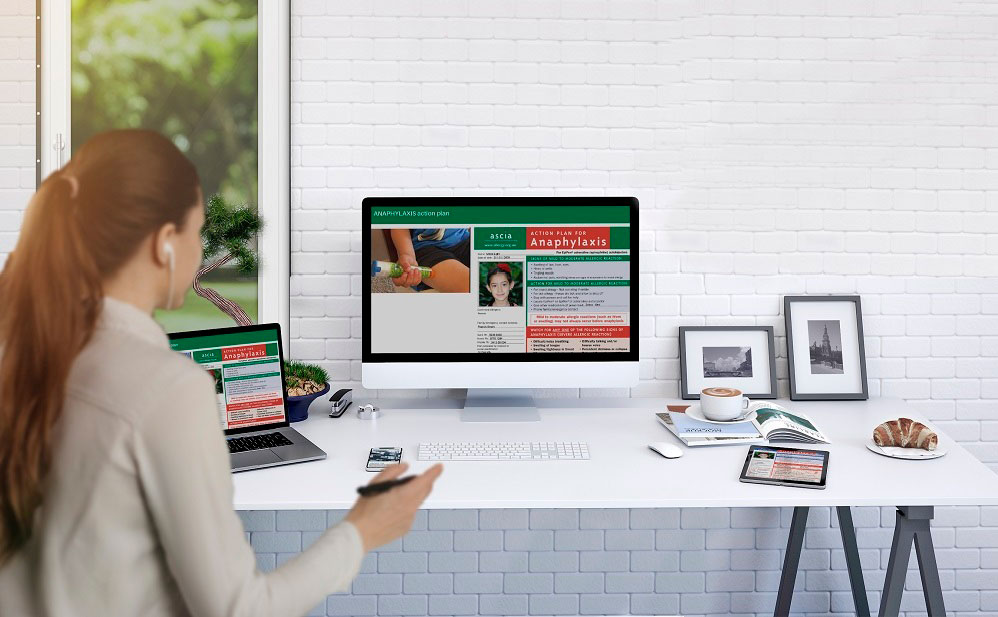
For specialists that rely on these skills, keep a straightforward log. Keep in mind dates, topics covered, trainers, and any actual cases where you reacted. After an event, compose what you succeeded, what felt slow-moving, and what you would certainly change. Then bring those notes to your next training course and ask to run those scenarios. A good supplier will adjust. If they will certainly not, locate one that will.
Equipment you will certainly learn to use, and just how that equates at the workplace or home
Advanced courses often introduce much more kit. The goal is not to turn you right into a paramedic by shopping cart, but to teach you how to get one of the most from easy tools.
Tourniquets and wound packaging. When you use them well, devastating blood loss control becomes effective. Anticipate clear assistance on positioning, tightening up up until hemorrhaging quits, and noting application time. In the real world, this ability issues in construction, farming, and remote sports.
AEDs. These are almost everywhere now, from gyms to airport terminals. You need to practice turning one on, complying with prompts without overthinking, and managing the group while pads enter area. When a person remains in heart attack, cpr and early defibrillation are your finest evidence-based tools.
Oxygen and bag-valve-mask. These need technique and, in some areas, role-based approval. Even if your work environment will certainly not stock them, direct exposure to these devices changes exactly how you think about air passage and breathing. You get better at placing and at checking out exhaustion in a battling patient.
Splinting and improvised support. Advanced classes need to make you splint with what you have. On a jobsite that might be hardwood offcuts and triangular plasters. On a path, travelling posts and jackets. The goal is security and comfort up until aid arrives.
Time costs, financial expenses, and the return on both
A conventional one-day first aid and cpr course normally takes 6 to 8 hours, consisting of assessment. A cpr course alone is typically 2 to 3 hours. Advanced alternatives differ widely, from one lengthy day to multi-day intensives with pre-course research. Prices track duration and equipment. Anticipate a modest charge for essentials and a greater one for advanced components, specifically wilderness programs that run outside and use more gear.
What do you get for the additional financial investment? Better pattern recognition, more powerful hands-on method, and the self-confidence to choose when there is no manuscript. That self-confidence repays in little means also. I have seen experienced personnel deal with a collapsing spell without panic, keep a public event on time after a small injury, and lower downtime on a site since someone understood how to manage a cut rapidly and cleanly.
If your employer benefits from your training, inquire to sponsor it or to detail it as paid job time. Numerous do, particularly if you will be a nominated first aid pro. Some carriers discount rate cpr correspondence course bundles when a group books together. The roi boosts when your whole team trains, not just one person.
Making the most of your next course
Show up rested, hydrated, and willing to speak up. Tell the trainer what you hope to discover. If you handle a group, bring the format of your website, the address for emergency situation services, and any recognized threats. Ask to run a circumstance that appears like your globe, not a common office.
During skills method, go for good repetitions, not ideal ones. Combat the urge to describe blunders away. When you screw up a mask seal or neglect an action, run it again promptly. Ask for measurable responses. The majority of modern manikins supply it, and even when they do not, an excellent teacher can time you and view your deepness and recoil.
After the program, instruct one principle to a coworker or relative within 1 day. That basic act seals your memory. After that established a suggestion to practice compressions for 5 minutes once a month. If you not do anything else, that routine keeps your cpr sharp.
When progressed is not the answer
Drive before you race. If you have actually never ever taken a first aid course, start there. A clean, certain key survey, smooth cpr, and early AED usage save even more lives than any exotic method. Advanced content layered on unstable essentials comes to be noise.
Skip progressed modules if your neighborhood legislations restrict their usage and you have no pathway to deploy those skills. Knowing oxygen therapy you can not legally apply might frustrate greater than equip. In those instances, place your initiative right into management, interaction, and the essentials under pressure.
If stress and anxiety around emergency situations impacts your rest or daily feature, select a helpful, slower-paced program initially. Great trainers develop your home window of resistance slowly. When you can take a breath and believe during a simple circumstance, you can include complexity.
The function of carriers and fit
Reputation and fit matter. You want a teacher who has seen actual scenes, but likewise understands just how to show. See just how they talk about mistakes. If they shame learners, maintain looking. Ask exactly how usually they upgrade their web content and which guidelines they adhere to. Proof modifications. CPR compression rates, ratios, and AED prompts have actually developed in time, therefore have methods to hemorrhaging control.
I Maitland first aid course watch out for programs that include glossy tools without discussing when not to utilize them. The best first aid training maintains you based in top priorities: make the scene risk-free, check response and breathing, phone call for assistance early, and move fast on life risks. Fancy equipment does not replace fundamentals.
A short choice aid you can act upon this week
- If you can enlist in an integrated first aid and cpr course within the next month, do it. Pick one with a lot of AED technique and scenario time. If you currently hold a first aid certificate, timetable a cpr refresher course within 6 to one year of your last training. Bring concerns from real situations you have actually fretted about. If your job or pastimes take you remote, research a wilderness or remote-area first aid alternative and set a day. Inquire about long term care, hypothermia monitoring, and emptying planning. If your workplace expects you to be the first aid pro, speak with your manager about innovative components and tools, including AED placement and maintenance. If you care for a person with particular threats, inform your trainer at sign-in and request targeted practice.
The silent payoff
Advanced training does greater than include methods. It alters how you take a look at the globe. You begin to notice exit paths, exactly how groups relocate, which surfaces obtain slippery first. You construct small habits, like bring handwear covers and a pocket mask, or maintaining a first aid kit stocked in your vehicle instead of wedged under outdoor camping gear. You inspect the AED battery light when you pass it. You go through what you would claim on the phone to emergency situation services, to the address and eviction code.
That calmness, prepared posture is the actual item. Whether you quit at a solid first aid course with cpr training or lean right into sophisticated web content, you are purchasing the capability to satisfy a negative minute with clear action. For lots of people, that begins with the essentials, built well and maintained with refreshers. For those that hang around far from quick assistance, or that lug obligation for others in risky settings, advanced first aid training is not a badge, it is a duty.
If you are still not sure, talk with a company, describe your everyday life, and ask to map the program web content to your threats. A great one will certainly not oversell. They will certainly assist you choose a course that fits. And the following time a silence falls after a collision or a shout, you will prepare to load it with the best kind of noise, the kind that saves a life.